

Quality control is a critical aspect of any manufacturing process, and a 3 layer blown film plant is no exception. As a trusted supplier of 3 layer blown film plants, I understand the importance of implementing rigorous quality control measures to ensure that the final products meet the highest standards. In this blog post, I will discuss the key quality control measures that we adopt in our 3 layer blown film plants.
Raw Material Inspection
The quality of the final blown film largely depends on the quality of the raw materials used. Therefore, the first step in our quality control process is a thorough inspection of the raw materials. We source our raw materials from reputable suppliers and conduct incoming inspections to verify their quality.
We check the physical properties of the polymers, such as melt flow index, density, and color. These properties can significantly affect the processing characteristics and the final quality of the blown film. For example, a polymer with an incorrect melt flow index may lead to uneven film thickness or poor bubble stability during the blowing process.
In addition to physical properties, we also test the chemical composition of the raw materials. This helps us ensure that the polymers are free from contaminants and additives that could potentially affect the performance of the film. By carefully selecting and inspecting the raw materials, we lay a solid foundation for producing high - quality 3 layer blown films.
Machine Calibration and Maintenance
The machinery used in a 3 layer blown film plant plays a crucial role in determining the quality of the final product. Regular calibration and maintenance of the equipment are essential to ensure consistent and accurate production.
We have a strict schedule for machine calibration. All the key components of the blown film machine, such as the extruders, dies, and cooling systems, are calibrated at regular intervals. For instance, the extruders need to be calibrated to ensure that the polymer is melted and extruded at the correct temperature and pressure. Incorrect extrusion parameters can result in defects such as fish - eyes, gels, or poor layer adhesion in the film.
Proper maintenance of the machinery is also vital. We conduct routine cleaning, lubrication, and replacement of worn - out parts. This helps prevent breakdowns and ensures that the machine operates at its optimal performance. A well - maintained machine is less likely to produce defective films, which in turn reduces waste and improves overall productivity.
In - Process Monitoring
During the production process, continuous monitoring is carried out to detect any potential quality issues early. We use a variety of sensors and monitoring devices to keep track of key process parameters.
One of the most important parameters is the film thickness. We use non - contact thickness gauges to measure the thickness of the 3 layer blown film at multiple points across the width and length of the film. Any deviation from the specified thickness can be immediately detected, and adjustments can be made to the machine settings. For example, if the film is too thick in one area, the extrusion rate of the corresponding layer can be adjusted.
Another critical parameter is the layer thickness ratio. In a 3 layer blown film, each layer has a specific function, and the correct ratio of layer thicknesses is essential for the film to perform as intended. We use advanced sensors to monitor the layer thickness ratio in real - time and make necessary adjustments to the extruder speeds and pressures.
We also monitor the temperature and pressure in the extruders and dies. These parameters affect the melting and flow of the polymers, and any significant fluctuations can lead to quality problems. By closely monitoring these variables, we can maintain a stable production process and produce films with consistent quality.

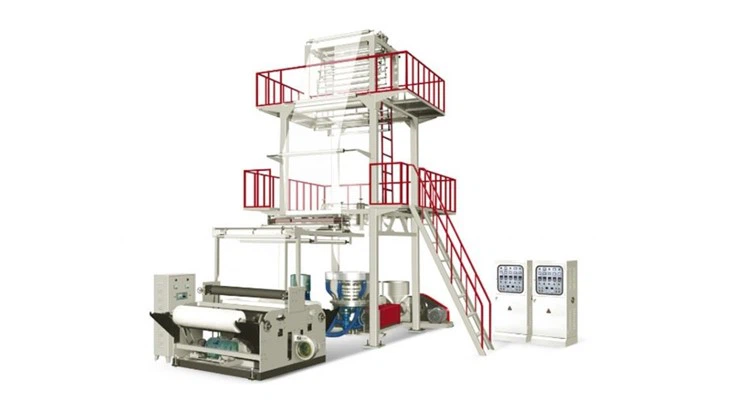
Product Testing
Once the 3 layer blown film is produced, it undergoes a series of tests to evaluate its quality. These tests cover a wide range of properties, including mechanical, optical, and barrier properties.
Mechanical properties such as tensile strength, elongation at break, and tear resistance are tested using specialized testing equipment. These properties determine the durability and usability of the film. For example, a film with low tensile strength may tear easily during handling or packaging, which is unacceptable for most applications.
Optical properties, such as transparency, haze, and gloss, are also important, especially for applications where the appearance of the film is crucial. We use optical measuring instruments to assess these properties and ensure that the film meets the customer's requirements.
Barrier properties, such as oxygen and moisture transmission rates, are critical for applications where the film needs to protect the contents from environmental factors. We conduct barrier testing in specialized laboratories to ensure that the film provides an adequate level of protection.
Employee Training
Our employees are the backbone of our quality control system. We provide comprehensive training to all our staff involved in the production process.
New employees receive basic training on the operation of the 3 layer blown film machine, including safety procedures, machine setup, and troubleshooting. They also learn about the importance of quality control and how their actions can impact the final product quality.
Ongoing training is also provided to keep the employees updated on the latest technologies and best practices in 3 layer blown film production. For example, we train our operators on how to use the latest monitoring and control systems to improve process efficiency and product quality.
Well - trained employees are more likely to follow the quality control procedures correctly and identify and resolve quality issues in a timely manner. They also take pride in their work, which contributes to a culture of quality within the organization.
Traceability and Documentation
Traceability is an important aspect of quality control in a 3 layer blown film plant. We maintain detailed records of all the production processes, including raw material batches, machine settings, process parameters, and product test results.
These records allow us to trace the origin of any defective products. In case of a quality issue, we can quickly identify the raw materials used, the machine settings at the time of production, and the test results of the affected batch. This helps us determine the root cause of the problem and take appropriate corrective actions.
Documentation also serves as a valuable tool for quality improvement. By analyzing the production records over time, we can identify trends and patterns, which can be used to optimize the production process and prevent future quality issues.
Conclusion
In conclusion, a comprehensive quality control system is essential for a 3 layer blown film plant to produce high - quality products. By implementing raw material inspection, machine calibration and maintenance, in - process monitoring, product testing, employee training, and traceability and documentation, we can ensure that our 3 layer blown films meet the strictest quality standards.
If you are in the market for a 3 layer blown film plant or looking to improve the quality of your existing production, we are here to help. Our company offers a range of high - quality blown film machines, including the Double Strip Color Film Blowing Machine, AB Double - layers Co - extrusion Film Blowing Machine, and ABC Three Layers Co - extrusion Film Blowing Machine. Contact us today to discuss your specific requirements and start a procurement negotiation. We look forward to working with you to achieve your quality and production goals.
References
- ASTM International. (20XX). Standards for plastic film testing.
- Grozea, D. (20XX). Blown Film Extrusion: Principles and Practice.


