

Hey there! As a supplier of Plastic Crushers, I'm super excited to dive into the main components of these nifty machines. Plastic crushers are essential in the plastic recycling industry, helping to break down plastic waste into smaller pieces for further processing. So, let's take a closer look at what makes these machines tick.
1. Feeding System
The first component we'll talk about is the feeding system. This is where the plastic materials are introduced into the crusher. There are different types of feeding systems, but the most common ones are manual and automatic feeders.
Manual feeders are pretty straightforward. You simply place the plastic items into the hopper by hand. They're great for small - scale operations or when dealing with irregularly shaped plastics. It gives you more control over the feeding process, but it can be a bit time - consuming.
On the other hand, automatic feeders are a game - changer for larger operations. They can continuously feed plastic materials into the crusher at a set rate. There are conveyor belt feeders that move the plastic smoothly into the machine, and there are also screw feeders that use a rotating screw to push the plastic forward. These automatic systems increase efficiency and reduce the need for constant manual labor. You can learn more about our Plastic Crusher with top - notch feeding systems.
2. Cutting Chamber
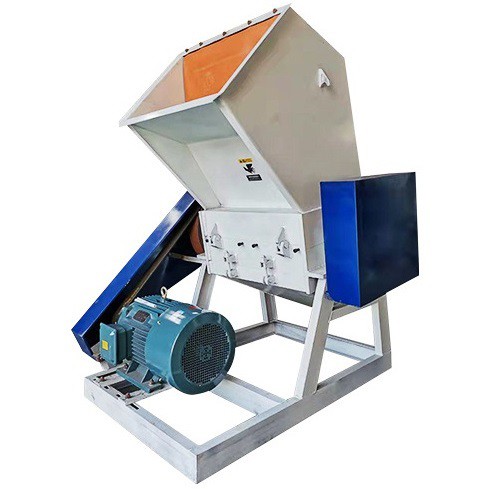
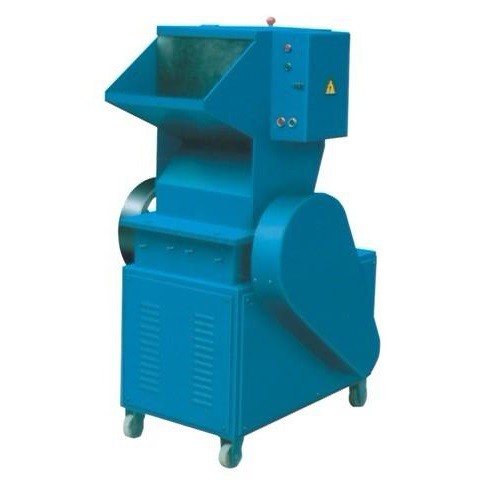
The cutting chamber is the heart of the plastic crusher. It's where all the action happens, and the plastic gets chopped up. Inside the cutting chamber, there are several important parts.
Blades
The blades are the most crucial part of the cutting chamber. They come in different shapes and sizes, depending on the type of plastic and the desired output size. Straight blades are good for general - purpose crushing, while serrated blades can provide a more aggressive cut, which is useful for tougher plastics.
The number of blades also varies. Some crushers have two blades, while others can have four or more. More blades generally mean a faster and more efficient crushing process, but they also require more power to operate.
Rotor
The rotor is a component that holds the blades and rotates at high speed. It's powered by an electric motor or a diesel engine, depending on the design of the crusher. The rotation of the rotor causes the blades to strike the plastic materials, breaking them into smaller pieces.
The speed of the rotor can be adjusted to control the size of the crushed plastic. A higher rotor speed usually results in smaller plastic particles, while a lower speed can produce larger pieces.
Screen
At the bottom of the cutting chamber, there's a screen. The screen has holes of a specific size. After the plastic is crushed by the blades, only the pieces that are small enough to pass through the holes in the screen can exit the cutting chamber. This ensures that the output size of the crushed plastic is consistent.
3. Drive System
The drive system is responsible for powering the crusher. It transfers the energy from the power source (motor or engine) to the various moving parts of the machine, such as the rotor in the cutting chamber.
Motor
Most plastic crushers use electric motors because they're clean, quiet, and easy to control. The power of the motor depends on the size and capacity of the crusher. Smaller crushers may have a motor with a power rating of a few kilowatts, while larger industrial crushers can have motors with power ratings of dozens of kilowatts.
There are also crushers that use diesel engines, especially in areas where there's no reliable electricity supply. Diesel engines can provide a lot of power, but they're louder and produce emissions.
Belt and Pulley System
In many crushers, a belt and pulley system is used to transmit the power from the motor to the rotor. The belt is wrapped around the motor pulley and the rotor pulley. As the motor rotates, the belt causes the rotor pulley to turn, which in turn rotates the rotor and the blades.
This system allows for some flexibility in the speed and torque transfer. You can change the size of the pulleys to adjust the speed of the rotor relative to the motor speed.
4. Discharge System
Once the plastic is crushed to the desired size, it needs to be removed from the crusher. That's where the discharge system comes in.
Conveyor Belt
A conveyor belt is a common discharge system. It transports the crushed plastic from the cutting chamber to a collection bin or another processing unit. Conveyor belts are reliable and can handle a large volume of crushed plastic. They can be inclined or horizontal, depending on the layout of the recycling facility.
Air Blower
Some crushers use an air blower as a discharge system. The air blower creates a stream of air that carries the crushed plastic out of the cutting chamber and into a collection cyclone. This method is useful for handling lightweight plastics, as the air can easily lift and transport them.
5. Control System
The control system of a plastic crusher allows the operator to monitor and adjust the operation of the machine.
Control Panel
The control panel is usually located on the outside of the crusher. It has buttons, switches, and indicators that allow the operator to start and stop the machine, adjust the speed of the rotor, and monitor the temperature and other parameters.
Some modern control panels are equipped with digital displays that show real - time information about the crusher's operation, such as the power consumption, the rotor speed, and the temperature of the motor.
Safety Features
The control system also includes safety features. For example, there are emergency stop buttons that can be pressed in case of an emergency to immediately shut down the crusher. There are also sensors that can detect if there's a blockage in the cutting chamber or if the motor is overheating. If any of these issues are detected, the control system will automatically stop the machine to prevent damage.
6. Frame and Housing
The frame and housing of the plastic crusher provide support and protection for all the internal components.
Frame
The frame is the structural backbone of the crusher. It's usually made of steel or other strong materials. The frame holds all the components in place and ensures that the machine is stable during operation.
Housing
The housing encloses the cutting chamber and other moving parts. It protects the operator from the moving blades and also helps to reduce noise and dust emissions. The housing is often made of metal or heavy - duty plastic.
7. Cooling System
During the crushing process, the blades and the rotor generate a lot of heat. A cooling system is needed to prevent overheating, which can damage the components and reduce the efficiency of the crusher.
Air Cooling
Some crushers use air cooling systems. These systems have fans that blow air over the motor and other heat - generating components to dissipate the heat. Air cooling is simple and cost - effective, but it may not be sufficient for large - scale or high - powered crushers.
Water Cooling
Water cooling systems are more efficient for cooling large crushers. They use a water pump to circulate water around the motor and other hot parts. The water absorbs the heat and then transfers it to a radiator, where it's dissipated into the air.
So, there you have it - the main components of a plastic crusher. Each component plays a vital role in the overall performance of the machine. Whether you're a small - scale recycler or a large industrial operation, having a good understanding of these components can help you choose the right plastic crusher for your needs.
If you're interested in purchasing a plastic crusher or have any questions about our products, feel free to reach out to us. We're here to help you find the best solution for your plastic recycling requirements. Let's work together to make the world a greener place by recycling more plastic waste.
References
- "Plastic Recycling Machinery Handbook"
- Industry reports on plastic crushing technology


