

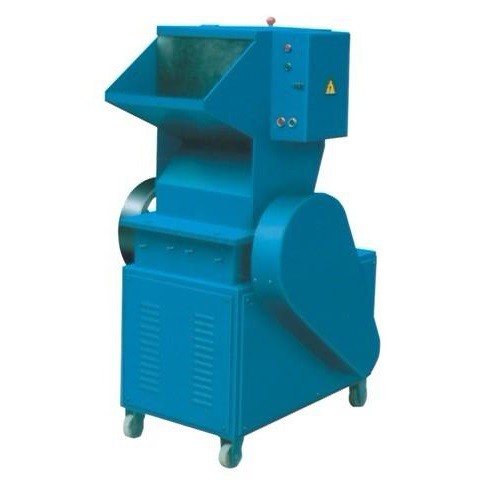
Hey there! As a supplier of Plastic Crushers, I've seen a lot of folks scratching their heads over how these machines keep their cool. In this blog, I'm gonna break down the different heat - dissipation methods of a plastic crusher.
Why Heat Dissipation Matters in Plastic Crushers
First off, let's talk about why heat dissipation is such a big deal. When a plastic crusher is in action, it's constantly breaking down plastic materials. This process generates a ton of heat. If the heat isn't properly managed, it can cause all sorts of problems. For one, high temperatures can damage the internal components of the crusher. The motor, which is the heart of the machine, can overheat and burn out. Also, excessive heat can lead to changes in the properties of the plastic being crushed. It might start to melt or warp in unexpected ways, which messes up the whole crushing process. So, effective heat dissipation is crucial for the longevity and efficiency of a plastic crusher.
Air Cooling
One of the most common heat - dissipation methods is air cooling. It's simple, cost - effective, and widely used.
How it Works
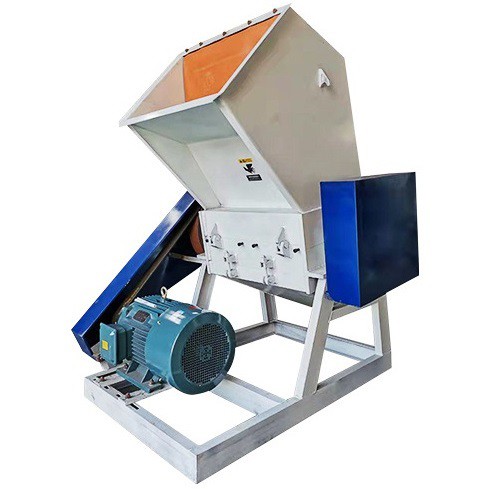
Air cooling systems in plastic crushers typically use fans. These fans are strategically placed around the machine. When the crusher is running, the fans blow air over the hot components. As the air moves across the surfaces, it absorbs the heat and carries it away. For example, the motor of a plastic crusher is usually a major heat source. A fan will be positioned near the motor to keep it cool.
Pros and Cons
The biggest advantage of air cooling is its simplicity. It doesn't require a lot of complex equipment or maintenance. It's also relatively inexpensive to install and operate. However, air cooling has its limitations. It's not as efficient as some other methods, especially in hot environments. If the ambient temperature is high, the air might not be able to absorb as much heat, and the cooling effect will be reduced.
Water Cooling
Water cooling is another popular option for plastic crushers, especially for larger and more powerful machines.
How it Works
In a water - cooling system, water is circulated through pipes or channels in the crusher. The water absorbs the heat from the hot components as it flows past them. Once the water has absorbed the heat, it is pumped to a radiator or heat exchanger. In the radiator, the heat is transferred from the water to the surrounding air, and then the cooled water is pumped back into the crusher to repeat the process.
Pros and Cons
Water cooling is much more efficient than air cooling. It can handle a much larger amount of heat, which makes it ideal for high - performance plastic crushers. It's also more consistent in different environmental conditions. However, water - cooling systems are more complex and expensive to install. They also require more maintenance. There's a risk of leaks, and if the water isn't properly treated, it can cause corrosion in the pipes and components.
Oil Cooling
Oil cooling is a less common but still effective heat - dissipation method for plastic crushers.
How it Works
Similar to water cooling, oil is used as a coolant in an oil - cooling system. The oil is circulated through the crusher to absorb heat from the components. Oil has some advantages over water. It has better lubricating properties, which can help reduce wear and tear on the moving parts of the crusher. After absorbing the heat, the oil is sent to a heat exchanger where the heat is dissipated.
Pros and Cons
The main advantage of oil cooling is its ability to lubricate while cooling. This can extend the lifespan of the crusher's components. It also has a high heat - carrying capacity. However, oil is more expensive than water, and it needs to be changed regularly. There's also a risk of oil spills, which can be messy and environmentally unfriendly.
Hybrid Cooling Systems
Some plastic crushers use hybrid cooling systems that combine two or more of the above methods.
How it Works
For example, a hybrid system might use air cooling as the primary method for normal operation. But when the machine is under heavy load and generating a lot of heat, the water - cooling system will kick in to provide additional cooling. This way, the crusher can benefit from the simplicity and cost - effectiveness of air cooling most of the time, while still having the ability to handle high - heat situations with the more efficient water - cooling system.
Pros and Cons
Hybrid cooling systems offer the best of both worlds. They can provide efficient cooling in a variety of conditions. However, they are the most complex and expensive to install and maintain.
Factors Affecting Heat Dissipation
There are several factors that can affect the effectiveness of heat - dissipation methods in a plastic crusher.
Ambient Temperature
As mentioned earlier, the ambient temperature plays a big role. In hot climates, air - cooling systems will be less effective, and water - cooling or hybrid systems might be a better choice.
Crusher Size and Power
Larger and more powerful plastic crushers generate more heat. They usually require more advanced heat - dissipation methods, such as water cooling or hybrid systems.
Operating Conditions
If a plastic crusher is running continuously for long periods or is crushing tough plastic materials, it will generate more heat. In such cases, a more efficient cooling system is necessary.
Maintaining Heat - Dissipation Systems
Proper maintenance of the heat - dissipation system is essential for the performance of a plastic crusher.
For Air - Cooling Systems
Regularly clean the fans and air vents to ensure that the air can flow freely. Check for any blockages or damage to the fans.
For Water - Cooling Systems
Inspect the pipes for leaks and corrosion. Change the water regularly and add appropriate water treatment chemicals to prevent scale buildup.
For Oil - Cooling Systems
Check the oil level and quality regularly. Change the oil according to the manufacturer's recommendations.
Conclusion
In conclusion, there are several heat - dissipation methods available for plastic crushers, each with its own pros and cons. As a supplier, I always recommend choosing the right method based on the specific needs of the crusher, such as its size, power, and operating conditions. Whether it's air cooling, water cooling, oil cooling, or a hybrid system, proper heat dissipation is key to keeping your plastic crusher running smoothly and efficiently.
If you're in the market for a plastic crusher or have any questions about heat - dissipation methods, feel free to reach out. We're here to help you make the best choice for your business. Let's start a conversation and see how we can meet your plastic - crushing needs!
References
- Industry reports on plastic crusher technology
- Manufacturer's manuals for plastic crushers


